
No products in the cart.: ₹0.00

Lessons in Patriotism From Swami Vivekananda for Modern Indians

Patriotism, as Swami Vivekananda saw it, was never about noise or display. It was about character. About the strength of thought. About responsibility towards society. In a time when patriotism is often expressed through slogans and symbols, his teachings feel more relevant than ever.
Swami Vivekananda did not speak of loving the nation only on special days. He spoke of living for the nation every single day. His idea of patriotism was rooted in self-discipline, service, and pride in India’s spiritual and cultural strength.
For modern Indians navigating fast lives, social media, and constant change, his thoughts offer grounding lessons that go far beyond speeches or ceremonies.
Let us explore what patriotism truly meant to Swami Vivekananda and how we can practise it meaningfully today.
Patriotism Begins With Character, Not Celebration
Swami Vivekananda believed that strong individuals build a strong nation. For him, patriotism started with self-respect, honesty, and inner strength.
He often spoke about building character before chasing recognition. In today’s world, this idea feels especially important. Patriotism does not begin with what we post online, but with how we act when no one is watching.
Being truthful, disciplined, and responsible in daily life is one of the purest forms of love for the country.
Respect for the Nation Comes Before Symbols
While Swami Vivekananda deeply respected national identity, he always reminded people that symbols carry meaning only when backed by values.
Respecting the nation means respecting its people, its diversity, and its moral foundations. Symbols like the flag remind us of these ideals, but they are not replacements for them.
That is why even today, when people wear or carry patriotic symbols, the intention matters more than appearance. A simple accessory like an indian flag lapel pin, when worn with understanding and dignity, becomes a quiet reminder of responsibility rather than just decoration.
Service to Society Is the Highest Form of Patriotism
One of Swami Vivekananda’s strongest messages was about service. He believed that serving the poor, the weak, and the forgotten was equal to serving the nation itself.
According to him, patriotism is not limited to speeches or emotions. It is an action. It is helping where help is needed. It is contributing in whatever way one can, based on ability and opportunity.
In modern India, this can mean:
- Being honest in your profession
- Helping your community
- Respecting public spaces
- Supporting education and awareness
- Acting responsibly as a citizen
These everyday actions quietly build the nation from within.
Pride in India Without Arrogance
Swami Vivekananda was deeply proud of India’s spiritual and cultural heritage. At the same time, he warned against blind pride or superiority.
True patriotism, according to him, balances confidence with humility. It allows us to celebrate our heritage while remaining open to learning and improvement.
This lesson matters today, especially when expressions of nationalism can sometimes become aggressive. Real pride, as Vivekananda taught, is calm, confident, and compassionate.
Teaching Patriotism to the Next Generation
Swami Vivekananda placed immense importance on youth. He believed young people were the foundation of a strong nation.
Teaching patriotism to children does not require long lectures. It begins with small, meaningful experiences. When children learn to respect national symbols, understand their meaning, and associate them with values, patriotism becomes natural.
Simple gestures like wearing an india flag badge during national occasions, when explained properly, help children connect emotion with understanding. It becomes less about formality and more about belonging.

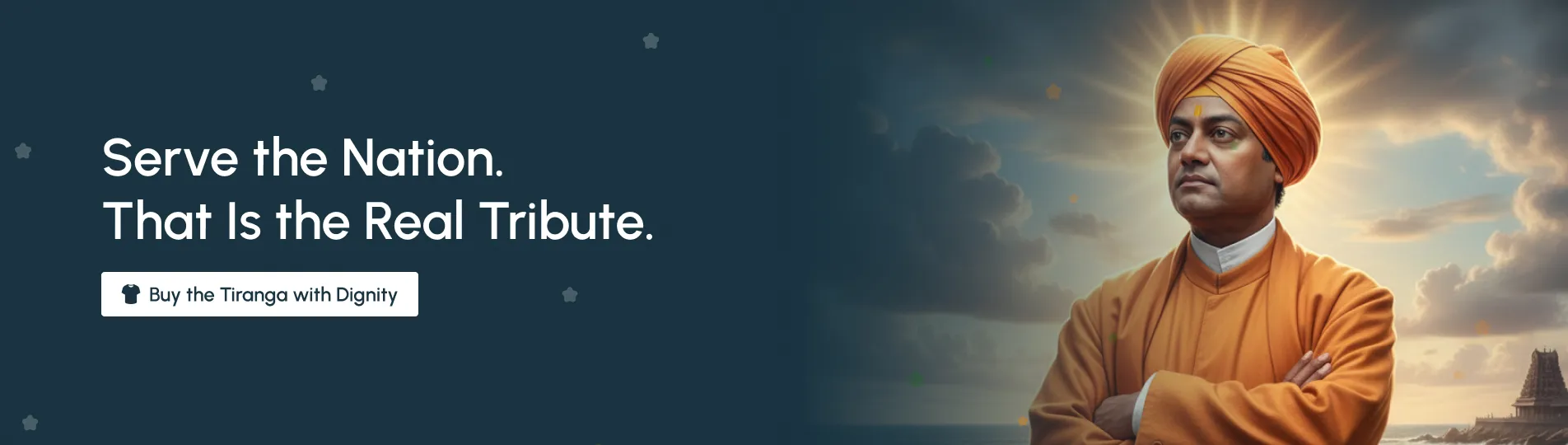
Patriotism in Everyday Life
One of the most powerful lessons from Swami Vivekananda is that patriotism should be lived, not performed.
In today’s context, this could mean:
- Following rules even when no one is watching
- Treating fellow citizens with respect
- Valuing honesty over shortcuts
- Speaking responsibly
- Choosing integrity over convenience
These everyday actions may not look dramatic, but they shape the moral fabric of the nation.
Swami Vivekananda’s Message for Modern Indians
If Swami Vivekananda were speaking to us today, he would likely remind us that India does not need loud declarations. It needs conscious citizens.
He would urge us to build strength of mind, clarity of thought, and purity of intention. He would ask us to rise above divisions and focus on service. And he would remind us that true patriotism begins within.
His teachings continue to guide India not because they belong to the past, but because they speak directly to the present.
Why These Lessons Matter Today
In an age of speed and opinions, it is easy to confuse expression with action. Swami Vivekananda’s vision helps us slow down and reflect.
Patriotism, at its core, is about responsibility, respect, and self-improvement. When these values guide our choices, even the smallest actions carry meaning.
Whether it is how we speak, how we act, or how we represent national symbols, intention makes all the difference.
Frequently Asked Questions (FAQs)
What did Swami Vivekananda mean by patriotism?
Swami Vivekananda believed patriotism meant selfless service, strong character, and commitment to the nation’s moral and social upliftment.
How can modern Indians practise patriotism daily?
By being honest, responsible, respectful, and socially aware in everyday life, and by contributing positively to society.
Did Swami Vivekananda support the use of national symbols?
He respected symbols deeply but believed their value comes from the ideals and actions they represent, not mere display.
How can children learn patriotism meaningfully?
Through education, storytelling, role models, and small respectful practices that help them understand national values.
Why are Swami Vivekananda’s ideas still relevant today?
Because his teachings focus on character, service, and self-discipline, which remain essential for building a strong and ethical society.