No products in the cart.: ₹0.00

Untold Stories From Siachen: Courage Beyond 20,000 Feet
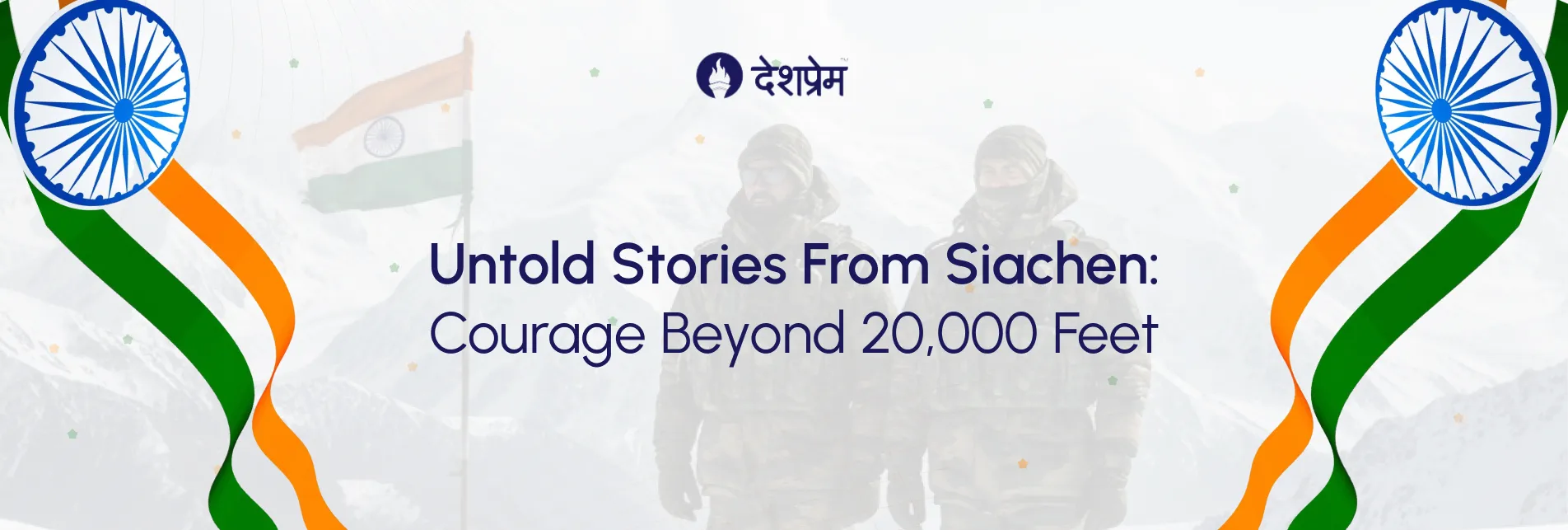
When we speak about bravery in India, the name Siachen silently commands respect. Hidden among the icy peaks of the eastern Karakoram range, Siachen is not just a glacier; it is a living symbol of sacrifice, resilience and quiet heroism. At heights where oxygen is scarce and temperatures fall below- 50 degrees, our soldiers continue to serve with unmatched dedication. Many stories from this frozen battlefield never reach headlines, yet they define what true courage looks like.
Beyond uniforms, medals and official reports, Siachen holds deeply human stories of survival, brotherhood and unshakeable love for the nation. These untold moments deserve to be remembered, shared and honoured.
Table of Contents
Why Siachen Is More Than Just a Glacier
Siachen is often described as the highest battlefield in the world, but that description barely captures its reality. Located at altitudes ranging from 18,000 to over 22,000 feet, it challenges every limit of the human body. Soldiers posted here fight not just an enemy, but nature itself.
Avalanches, whiteouts, crevasses and extreme cold are constant threats. In fact, more lives have been lost to harsh weather than to combat. Still, our soldiers volunteer for this posting, knowing well the risks involved. Their motivation is simple and powerful, safeguarding India’s sovereignty.
For many Indians, patriotism finds expression in small everyday ways. Some express it through respect for national symbols, others by placing an india flag for car dashboard as a quiet reminder of gratitude towards those who protect the borders.
Life Beyond 20,000 Feet
Daily life at Siachen is unlike anywhere else on Earth. Breathing itself requires effort. New soldiers take weeks to acclimatise. Simple tasks like walking a few steps or carrying equipment become exhausting.
Food reaches posts through air drops or difficult supply routes. Water has to be melted from ice. Communication with families remains limited and precious. Despite this, morale stays strong through discipline, routine and emotional bonding.
A former officer once shared how festivals were celebrated inside bunkers using whatever was available. On Independence Day or Republic Day, a small handmade tricolour would be displayed with pride. Some soldiers even keep personal symbols of patriotism close to them, like a car dashboard flag gifted by family members before deployment, which becomes a source of emotional strength during isolation.
Untold Stories of Courage From Siachen
There are countless lesser-known stories that never make it to mainstream media. One such story speaks of a patrol team that continued its duty despite early signs of frostbite, choosing mission completion over personal comfort. Another tells of soldiers digging through snow for hours after an avalanche to rescue trapped comrades.
In one touching incident, a young soldier stayed awake the entire night monitoring a teammate suffering from altitude sickness, ensuring his oxygen supply did not fall. Such acts rarely receive awards but reflect the highest form of duty and humanity.
There are also stories of soldiers spending free time teaching each other, sharing childhood memories or singing old Hindi songs to lift morale. In the silence of the glacier, these simple human connections become powerful sources of strength.
Silent Battles With Nature
The harsh environment of Siachen is often more dangerous than any enemy. Temperatures can fall below minus 60 degrees, and sudden storms can reduce visibility to zero within minutes.
Frostbite, pulmonary oedema and cerebral oedema remain constant medical threats. Even basic equipment can malfunction due to extreme cold. Every movement requires planning and awareness.
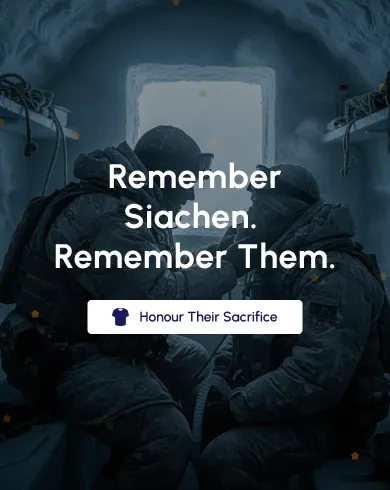
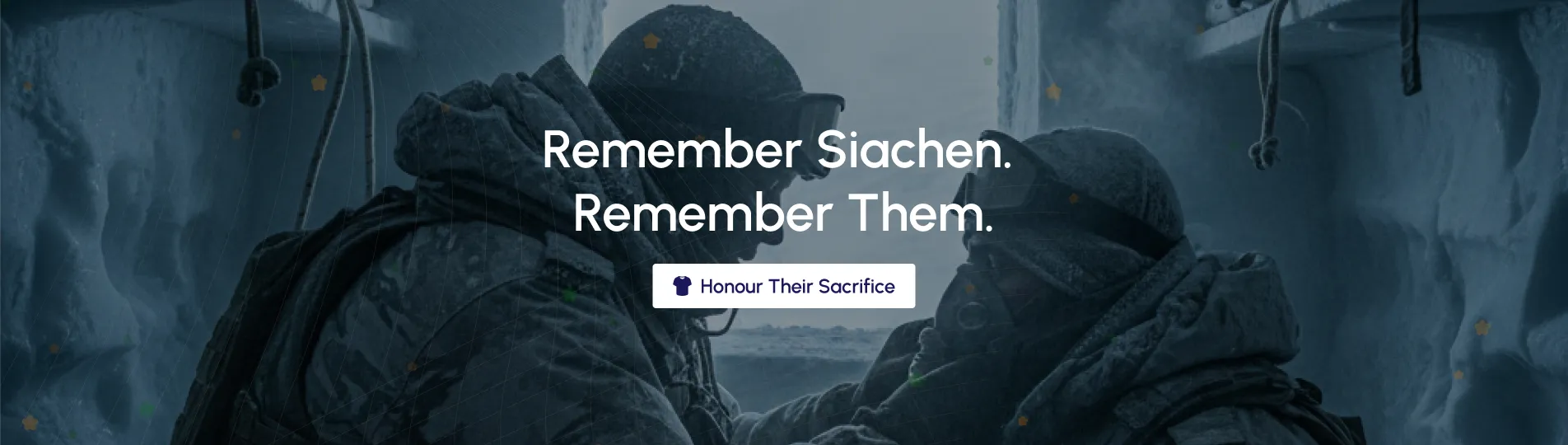
The world’s highest military post at 21,500 feet stands as a symbol of extraordinary endurance and commitment. Maintaining this post demands unmatched physical strength, advanced logistics and mental resilience from the soldiers posted there.
Brotherhood in Ice and Isolation
What truly sustains soldiers in Siachen is brotherhood. Rank often becomes secondary when survival depends on teamwork. Officers and jawans eat together, face hardships together and support each other emotionally.
Small gestures build lifelong bonds. Sharing food, celebrating birthdays with limited resources, or helping a fellow soldier write a letter home strengthens unity. This spirit reflects a deeper sense of nationalism that goes beyond slogans.
Many civilians carry this feeling in everyday life through symbolic acts of respect, such as keeping an indian flag for car to remember the sacrifices made at borders like Siachen.
Remembering and Respecting the Brave
The stories of Siachen are not just about war or conflict. They are about courage, discipline and silent sacrifice. Every soldier posted there gives up comfort, safety and time with loved ones so the nation can live in peace.
Honouring them starts with awareness. Reading their stories, sharing them responsibly, supporting veterans and their families and practising mindful patriotism all play a role. Even small gestures, when done with sincerity, help keep their legacy alive.
FAQs
What makes Siachen the world’s toughest battlefield?
Siachen is considered the toughest battlefield due to its extreme altitude, freezing temperatures, unpredictable weather and constant danger from avalanches and health complications. Survival itself becomes a daily challenge.
Which is the world's highest military post in Siachen at 21500 feet?
The world’s highest military post is located at approximately 21,500 feet in the Siachen region and is maintained by the Indian Army under extremely harsh climatic conditions.
How do soldiers survive months at such high altitudes?
Soldiers undergo specialised high altitude training and acclimatisation. They follow strict routines, consume high-calorie diets, use specialised clothing and rely strongly on teamwork and discipline.
Are there any untold or lesser-known stories from Siachen?
Yes, many stories remain unheard, including rescue missions during avalanches, emotional acts of brotherhood and silent sacrifices that never reach public attention.
How can I support and honour the bravery of Siachen soldiers?
You can honour them by staying informed, respecting the armed forces, supporting veteran welfare initiatives and spreading awareness about their sacrifices. Thoughtful patriotic expressions and daily respect for national values also help keep their spirit alive.